Key Takeaways from the LITFINCON Event
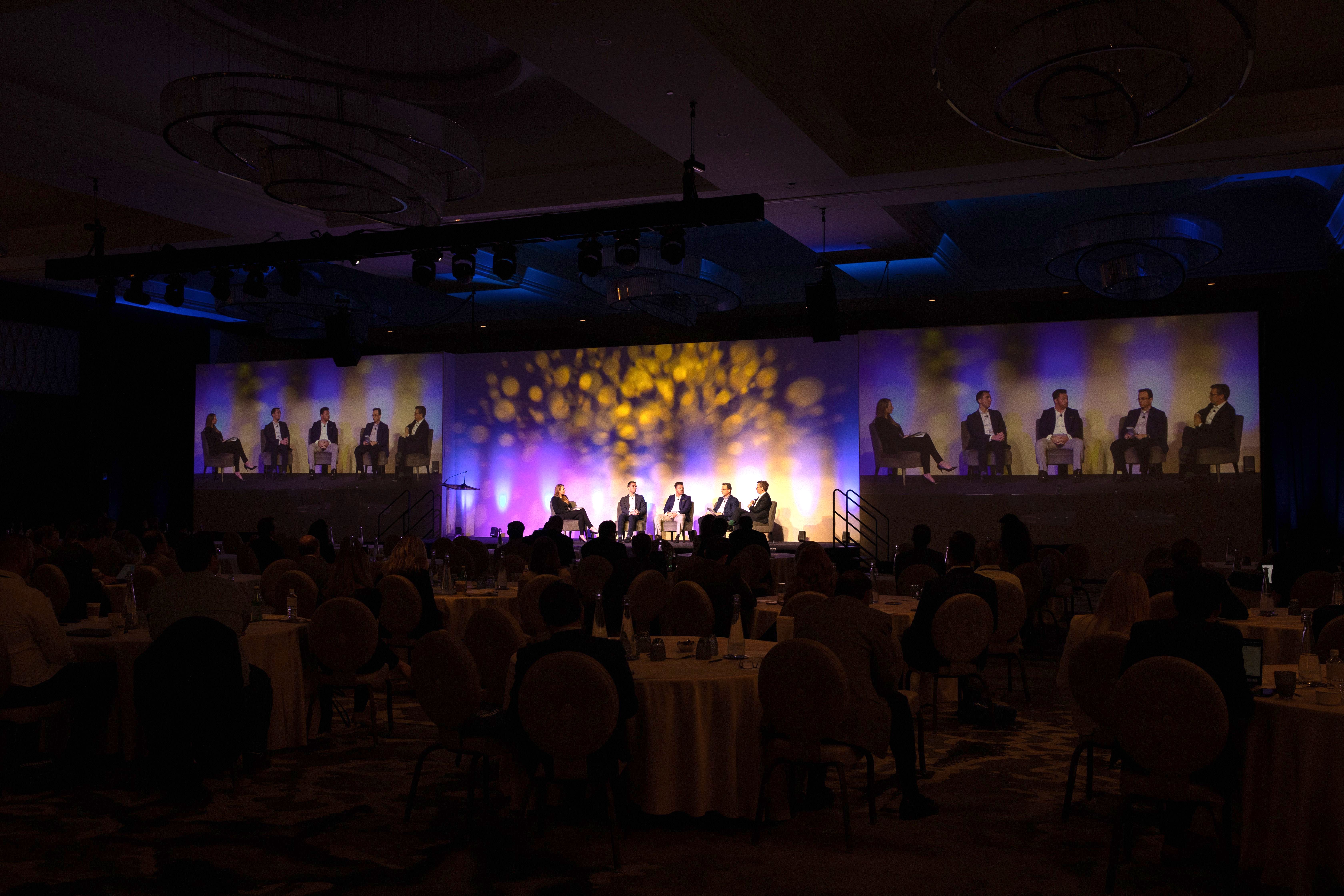
LITFINCON’s inaugural conference kicked off last week at the Post Oak Hotel in Houston, Texas, with attendees flying in from all over the globe. Guests had a front-row seat to several thought-provoking conversations about the growing asset class from a variety of industry experts.
The LITFINCON event featured a variety of timely and insightful panel discussions. Below are some key takeaways from the two-day conference:
Day 1 highlighted current trends, the state of the industry, best strategies when seeking litigation finance, and the relationship between corporate legal departments and litigation finance.
The day kicked off with the “Views From The Judiciary On All Things Litigation Finance” panel, which was certainly a crowd favorite. Three distinguished judges shared their insights: The Honorable Charles R. Eskridge, III, of the United States District Court for the Southern District Court of Texas, The Honorable Andrew M. Edison, of the United States District Court for the Southern District of Texas, and The Honorable Lauren Reeder of the 234th Judicial District, Harris County. They offered their unique views, as only active judges can, on a variety of issues affecting litigators, funders, and plaintiffs.Day 2 highlighted what investors should know about this asset class, when and how to use a broker when looking for funding, technology trends in the legal field, and expert insights on fund formation. Day 2’s lunch break was something special, as it featured Chief Comedic Officer of Making Lawyers Laugh, LLC Sheng Weng, who most recently was seen touring with Ali Wong and was a featured stand-up on HBO’s “2 Dope Queens” special. Sheng also wrote for the ABC show “Fresh Off the Boat.” He kept guests entertained and roaring with laughter – a unique addition to the conference agenda.
Guests enjoyed rare in-person networking opportunities, and the opportunity to establish new business relationships. The attendee list included industry-leading firms, such as: Omni Bridgeway, Yieldstreet, Liti Capital, Law Finance Group, Polsinelli, Schulte Roth & Zabel, CAC Speciality, Parker Poe, 4 Rivers Legal, Critchfield, Critchfield & Johnston, Roche Freedman, Women of Litigation Finance (WOLF), Global Litigation Consultants, D. E. Shaw & Co., Arran Capital, Law Office of Philip A. Reale, Dunning Rievman, and Kerberos Capital Management.
Overall, attendees were delighted by how the event turned out. We received some sparkling reviews, a smattering of which is offered for you here:
“LITFINCON was a very positive experience. The range of speakers and panelists was impressive and a great deal of ground relating to the current trends in the industry was covered. The attendees were a good representation of the main industry players, namely funders, attorneys and advisors/brokers. Texas is still a relatively nascent third-party funding market and there are without doubt some exciting opportunities there, particularly in the energy and IP sectors. Siltstone did a great job in setting this up and I am already looking forward to the 2023 renewal!”
- Peter Petyt (CEO and Co‑Founder, 4 Rivers)
“It was a pleasure to discuss how corporate legal departments can utilize litigation funding at the inaugural LITFINCON. The diversity of viewpoints and experiences of my distinguished co-panelists really contributed to a candid, free-flowing discussion of what more can be done to acclimate corporate legal departments to the exciting possibilities offered by litigation finance.”
- Gaston Kroub (Partner, Markman Advisors)
“The litigation finance industry is growing rapidly, which makes networking at events like LITFINCON both important and exciting. We are building something together. It is particularly important that we share best practices and that we find ways to communicate those to stakeholders who may not be knowledgeable about them, such as litigation clients and members of the judiciary. LITFINCON did a great job of convening a diverse group and sharing that information.
I particularly enjoyed the “Crypto” panel, “How Will Blockchain, Cryptocurrency, And Other Technological Innovations Impact Litigation and the Legal Field.” It is nice to attend a conference that offers new information and perspectives.”
- Lauren Harrison (Vice President/Investment Counselor, Law Finance Group)
“Our entire Siltstone Capital team was humbled to host industry leaders at our inaugural LITFINCON. LITFINCON attracted a global array of speakers and attendees to help promote best practices for the growing and still malleable field of legal private credit. Hosting the conference in Houston, Texas also helped advance the legal private credit field to one of the biggest legal markets in the country. We can’t wait to host LITFINCON II in March 2023.”
- Mani Walia (Managing Director & General Counsel, Siltstone Capital)
“The inaugural LITFINCON was a tremendous success. It received rave reviews. I want to thank all the sponsors, panelists, and attendees, who came in from all over the world – London, Geneva, New York, Miami, San Francisco, and Austin. LITFINCON highlighted the growing field of litigation finance and the importance of Texas as a hub that unites all participants in the legal field. Siltstone Capital is excited about continuing the momentum and advancing the litigation finance field by hosting LITFINCON II in March 2023. We expect the event to be two to three times bigger!”
- Robert Le (Founder & Managing Partner, Siltstone Capital)